
 Destination guide
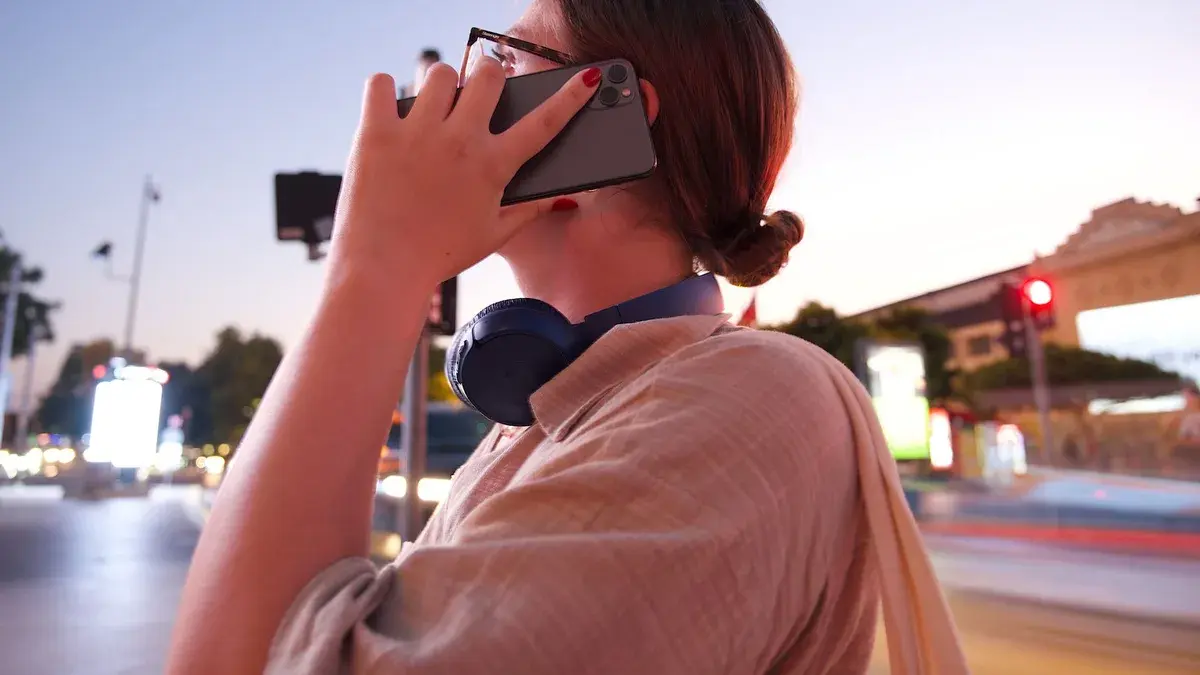
A UK virtual number is a British phone line you rent online and read from your existing phone, without a UK SIM card, a UK address or a UK bank account. It exists to solve one specific problem: a service wants to send a code to a +44 number, and you do not have one.
Quick answer: a UK virtual number is a real British mobile number (+44) that receives SMS and voice calls, which you read in a web inbox. It is receive-only — you cannot send texts or place calls from it. At Atlas eSIM it costs from €8.90 for one month with no identity check, and the number is a mobile range rather than a landline, which is what makes it work for most verification flows.

Need a British number today? Get a UK virtual number and read your codes within minutes.
How we built this guide
Most articles about getting a British phone number are written by people who have never had a verification code fail. This one takes the opposite approach and states the limits first.
- Capabilities come from the product, not from marketing. Every claim below about what a UK virtual number can receive or send is taken from the live offer data, not from a brochure. Where the answer is no, it says no.
- No guaranteed verification promises. No provider can guarantee that a given platform will accept a given number on a given day. Anyone who tells you otherwise is selling you something they do not control.
- Prices are quoted as published and may change. Check the figure on the page before you buy.
- The mobile-versus-landline distinction is treated as the central fact, because it is the single variable that most often decides whether a code arrives.
Last checked: November 2026.
What a UK virtual number actually is
A virtual UK number is a real number in the national numbering plan, allocated by a licensed operator and routed to software rather than to a physical SIM. Nothing about the number itself is simulated. When a bank or a messaging app looks it up, it sees a British number.
What differs is the delivery. A traditional number terminates on a SIM card in a handset that must be physically present on a UK network. A virtual number terminates in an inbox you open in a browser, from anywhere in the world. That is the whole trick, and it is why a UK virtual number works for someone sitting in Casablanca, São Paulo or Jakarta.
Mobile range, not a landline
British numbers starting 07 are mobile. Numbers starting 01 or 02 are geographic landlines tied to a city — 020 for London, 0161 for Manchester. The Atlas UK number is issued from a mobile range, and that matters more than any other specification on this page.
Many platforms silently refuse landline and VoIP-flagged numbers for SMS verification, because those ranges are heavily associated with throwaway accounts. A mobile range is not a guarantee of acceptance, but it is the difference between a reasonable chance and almost none.
The limit you need to know before buying
A UK virtual number at Atlas eSIM is receive-only. This is not a detail buried in the terms; it decides whether the product fits your use case at all.
| Capability | Supported | What that means in practice |
|---|---|---|
| Receive SMS | Yes | Verification codes, one-time passwords, alerts and notifications arrive in your inbox. |
| Receive calls | Yes | Inbound voice calls reach you, including automated voice-code callbacks. |
| Send SMS | No | You cannot text back. A conversation that requires a reply will not work. |
| Make calls | No | You cannot dial out. This is not a replacement for a business phone line. |
So if your plan is to run customer support from a British number, call prospects in London or reply to clients by text, this is the wrong product and you should stop reading. If your plan is to receive — codes, confirmations, callbacks — it is exactly the right one.
That boundary is also why the pricing is what it is. You are renting a reception endpoint, not a telephony account.
Using a UK virtual number with WhatsApp
This is the most common reason people look for a British phone number online, so it deserves a straight answer rather than a sales pitch.
WhatsApp verifies a new account by sending a six-digit code by SMS, with a voice callback as the fallback. Your UK virtual number can receive both. Mechanically, the flow works.
What nobody can promise is the outcome. WhatsApp runs its own anti-abuse checks on the number range, the account history and signals it does not publish, and it changes those rules without notice. A number that verified last month can be refused this month. Three things are true at once, and honest guidance has to hold all three:
- A mobile range like this one is far more likely to be accepted than a landline or a number flagged as VoIP.
- Reception is reliable — if a code is sent, it lands in your inbox.
- If you already have a working WhatsApp account and only need data abroad, you may not need a second number at all — keeping your existing WhatsApp number on a travel eSIM is the simpler route.
- Acceptance is not guaranteed, by us or by any provider, because the decision belongs to WhatsApp.

Why a code sometimes never arrives
When verification fails with a virtual UK number, the cause is usually one of four things, and only the last is about the number itself.
- The platform refuses the range. It decided before sending anything. You will often see "this number cannot be used for verification" rather than a delivery failure.
- The code went to voice, not SMS. Some flows switch to a callback after a failed text. Check whether your provider surfaces inbound calls, not just messages.
- You requested too many codes. Rate limits lock you out for hours. Waiting is the fix; requesting again makes it worse.
- The number already has history. A recycled number may carry an account that was never closed.
Who a British virtual number is for
Stripped of the marketing, the people for whom this works fall into a few clear groups.
People locked out by a country requirement. A UK bank, a government portal, a delivery service or a marketplace insists on a +44 number before it will let you proceed. You live elsewhere. This is the cleanest fit.
Expats and returning residents. You held a UK number, you moved, and accounts still point at it. A British phone number online keeps those recovery paths open without maintaining a dormant SIM. The same problem appears in reverse when you move abroad and want to keep your home phone number.
Travellers who need a second line. You want codes to arrive somewhere that is not your personal number, and you do not want to hand that number to every service that asks. Pair it with a UK data eSIM if you are also travelling there and need mobile data.
Freelancers and small teams registering on UK platforms. Marketplace onboarding, payment processors and verification steps that gate on the country of the number.
Who it is not for: anyone who needs to make outbound contact. Sales calls, support lines, SMS marketing, two-way customer conversations — none of these are possible with a receive-only line, in the UK or anywhere else.
What a UK virtual number costs
Atlas eSIM publishes two British offers. They differ in one meaningful way: whether you must prove who you are.
| Term | Standard (no identity check) | Verified range (identity check required) |
|---|---|---|
| 1 month | €8.90 | €7.99 |
| 3 months | €16.90 | €14.99 |
| 12 months | €44.90 | €46.99 |
The three-month term is where the pricing bends: it costs less than two one-month terms. The annual term is the clear choice if the number is anchoring account recovery, because losing it means losing the recovery path.
The standard offer requires no identity document, which is unusual — many providers demand proof of address for any British number. The second offer sits on a range that does require verification, and carries a small premium.
What you get after you buy
The purchase flow is short, and knowing the order of events removes most of the anxiety about whether a code will arrive in time.
You choose your number. Rather than being handed whatever is next in the pool, you pick from the available +44 numbers. It is a small thing, but it matters if you want a number that is easy to dictate over the phone.
Allocation is immediate. There is no SIM to ship and no porting window. Once the order completes, the number is yours and the inbox is live. If you are buying because a verification window is about to close, this is the part that matters.
You read everything in a browser. Incoming SMS and call records appear in your account. Your existing phone, your existing number and your existing SIM are untouched — the UK virtual number sits alongside them rather than replacing anything.
The included data allowance
Terms of three months and longer include a data gift: 1 GB valid for 7 days, usable across 101 countries, the United Kingdom among them. The one-month term does not include it.
Be realistic about what that covers. One gigabyte over seven days is enough for maps, messaging and email on a short trip; it is not a substitute for a travel data plan if you intend to stream or tether. If you need real data in Britain, a UK travel eSIM is the product for that, and it is a separate purchase. The gift is a bonus attached to the number, not the reason to buy one.
This is the second reason the three-month term is the sensible default: it is where the per-month price drops and where the data allowance starts.
When you need an identity-verified number
Most people should take the standard offer, which asks for no documents. A minority genuinely need the verified alternative, usually because a platform or a regulator insists the number be registered to a named person.
If you take that offer, be ready to supply all five of the following, because the order does not complete until the set is in place:
- Photo identity document — passport or national ID.
- Contact details — a reachable email and phone number.
- Proof of address — typically a utility bill or bank statement.
- A registered address.
- A stated use case — what you intend to use the number for.
That offer costs a euro or so more per month and sits on a much smaller pool of numbers. Choose it only if something specifically requires it; otherwise the extra friction buys you nothing.
How to choose a provider
Four questions separate a usable UK virtual number from a frustrating one. Ask them before you pay.
- Is it a mobile range? If the provider will not say, assume it is not. This is the variable that decides most verification outcomes.
- Does it surface inbound calls as well as SMS? Voice is the fallback path for a large share of verification flows. A text-only inbox silently loses them.
- What happens when the term ends? A number that lapses takes your account recovery with it. Know the renewal terms before the number becomes load-bearing.
- Is the number shared or yours? Shared inboxes mean other people see codes sent to the same number. A dedicated number is the only safe option for anything tied to your identity.

Five mistakes to avoid
Most bad outcomes with a virtual UK number come from a handful of avoidable decisions.
- Making it your only recovery method. A rented number is a rented asset. Keep an email recovery route and, where offered, an authenticator app, so a lapsed term never locks you out.
- Buying a one-month term for a long-term account. If the number is going to anchor logins, a month is the wrong unit. You will forget the renewal before you remember the account.
- Requesting the code repeatedly. Each retry pushes you further into rate limiting. Wait the stated interval, then try the voice option instead of a fifth text.
- Expecting to reply. This bears repeating because it is the single most common misunderstanding: the number receives, it does not send. Any workflow that needs an outbound message or call will fail.
- Assuming any country's number behaves the same way. Number type varies by market, and so does the outcome. A British mobile number and an American local number are not interchangeable for verification.
If the UK is not the country you need
The same logic applies elsewhere, with one important difference: not every country issues mobile ranges for virtual numbers.
- A US virtual number is issued from a local geographic range rather than a mobile one, which changes how some verification flows treat it.
- A Canadian virtual number shares the +1 prefix with the United States but is a distinct market — and a +1 number is not automatically American.
- A Brazilian virtual number is a mobile range like the UK, which matters in a country where WhatsApp is the default channel.
Frequently asked questions
Can I use a UK virtual number for WhatsApp?
You can attempt verification, and the number receives both the SMS code and the voice callback. Whether WhatsApp accepts it depends on its own checks, which it does not publish and can change at any time. A mobile range like this one has a far better chance than a landline or VoIP number, but no provider can guarantee the result.
Can I send text messages from a UK virtual number?
No. The Atlas UK number is receive-only: it accepts incoming SMS and calls, and cannot send either. If you need two-way messaging, this product does not cover it.
Do I need a UK address or ID to get a +44 number?
Not for the standard offer, which requires no identity document. A second UK offer sits on a range that does require verification and costs slightly more; choose it only if a platform specifically requires that type of number.
Is this a real British number or an internet number?
It is a real number from the UK national numbering plan, issued from a mobile range. It is routed to software instead of a SIM card, which is what lets you read it from abroad, but the number itself is genuine.
What happens to my number when the term ends?
The number stops being yours when the term lapses and can eventually be reissued to someone else. If accounts depend on it for recovery, take a longer term rather than renewing month to month.
Can I receive bank verification codes on a virtual UK number?
Mechanically yes — the number receives SMS and calls. Some banks deliberately refuse non-SIM numbers for security reasons, and that decision is theirs. Do not make a virtual number the only recovery path for a financial account.
How quickly can I start receiving codes?
Within minutes of purchase. The number is allocated immediately and the inbox is available straight away; there is no SIM to ship and no activation window to wait out.
Ready to receive your codes on a British line? Choose your UK virtual number.



 Destination guide

 Destination guide